
The Mission
Driving Coordinated, Evidence-Based Action
This platform serves as an authoritative hub for curating evidence-based insights and resources tailored to the Indian context. We bridge the gap between innovative technology and clinical application to support a unified response to AMR.
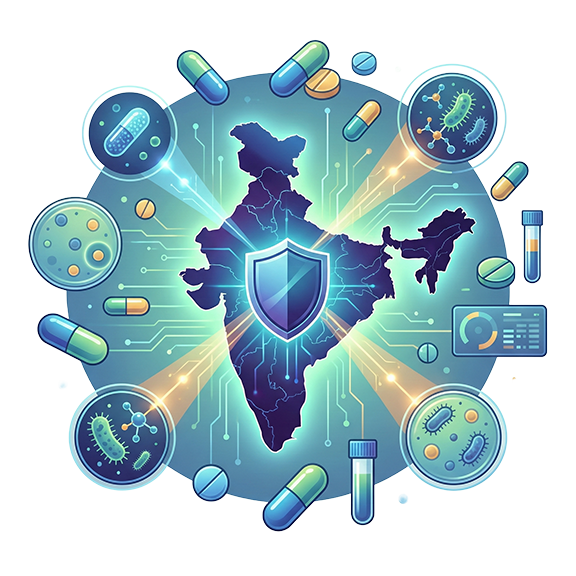

A Living Platform for Change: Shaping the Future of AMR Discourse
Antimicrobial Resistance (AMR) is rapidly emerging as one of the most complex and defining public health challenges of our time. It cuts across sectors, geographies, and systems – demanding not only technical solutions, but also a fundamental rethinking of how we collaborate, share knowledge, and act collectively.
At PCI India, our journey has always been anchored in responding to evolving development priorities with relevance and purpose. As we continue to strengthen our positioning in a rapidly changing ecosystem, it is imperative that we deepen our engagement with emerging areas such as AMR – where the need for convergence, evidence, and informed action has never been more critical.
This knowledge platform is a step in that direction. It is envisioned as a space that brings together diverse voices – experts, practitioners, and partners – to share insights, experiences, and perspectives that can inform and shape a more effective response to AMR. More than a repository, this is intended to be a living platform for dialogue, learning, and collective reflection.
In many ways, this initiative reflects our broader commitment – not just to participate in the development discourse, but to actively shape it through credible knowledge and grounded experience. It also reinforces our belief that solutions to complex challenges like AMR must be co-created, drawing equally from policy, practice, and community realities.
As we curate and expand this platform, our endeavour will be to ensure it remains relevant, accessible, and action-oriented – bridging the gap between knowledge and implementation. We also see this as an opportunity to amplify diverse and often underrepresented voices within the AMR discourse.
We are pleased to initiate this journey with contributions from esteemed experts whose thought leadership sets a strong foundation. Going forward, we aim to build on this momentum – expanding the knowledge base, strengthening partnerships, and contributing meaningfully to both national and global conversations on AMR.
As an organization committed to creating a happy, healthy, safe, and sustainable world, we believe that addressing challenges like AMR will require exactly this kind of shared commitment and collective action.
Why Action is Essential
Compromised Medical Procedures
Routine surgeries and essential cancer care, such as chemotherapy, are becoming increasingly risky as common infections become harder to treat.
Economic Impact
Resistance leads to prolonged hospital stays, the need for expensive second-line treatments, and significantly higher healthcare costs for patients and the state.
The Indian Crisis
India faces some of the world’s highest rates of antimicrobial consumption, making local implementation of stewardship programs an urgent priority.
What are the Solutions: A Systems-Driven Approach
A key element of controlling AMR is investing in affordable and accessible rapid diagnostic tools. However, a tool alone is not a solution; its impact is maximized only when integrated into a robust ecosystem:
SMARRT Diagnostics:
Developing and deploying fast, accurate diagnostic tests is crucial. These tools allow healthcare providers to quickly identify the specific pathogen and its resistance profile, ensuring patients receive the right antimicrobial only when needed, reducing inappropriate use.
Antimicrobial Stewardship (AMS):
Implement and adhere to strict, evidence-based guidelines for prescribing antimicrobials. AMS programs promote the responsible use of these life-saving drugs across all healthcare settings.
Infection Prevention & Control (IPC):
Enhanced hygiene practices, sanitation infrastructure, and comprehensive vaccination programs are foundational to reducing the incidence of infections, thereby decreasing the need for antimicrobials in the first place.
Raise Public and Professional Awareness:
Educate communities and healthcare professionals on the dangers of self-medication, the importance of completing prescribed treatment courses, and the appropriate role of antimicrobials.
Where Must Action Take Place
Action Settings Beyond the Hospital
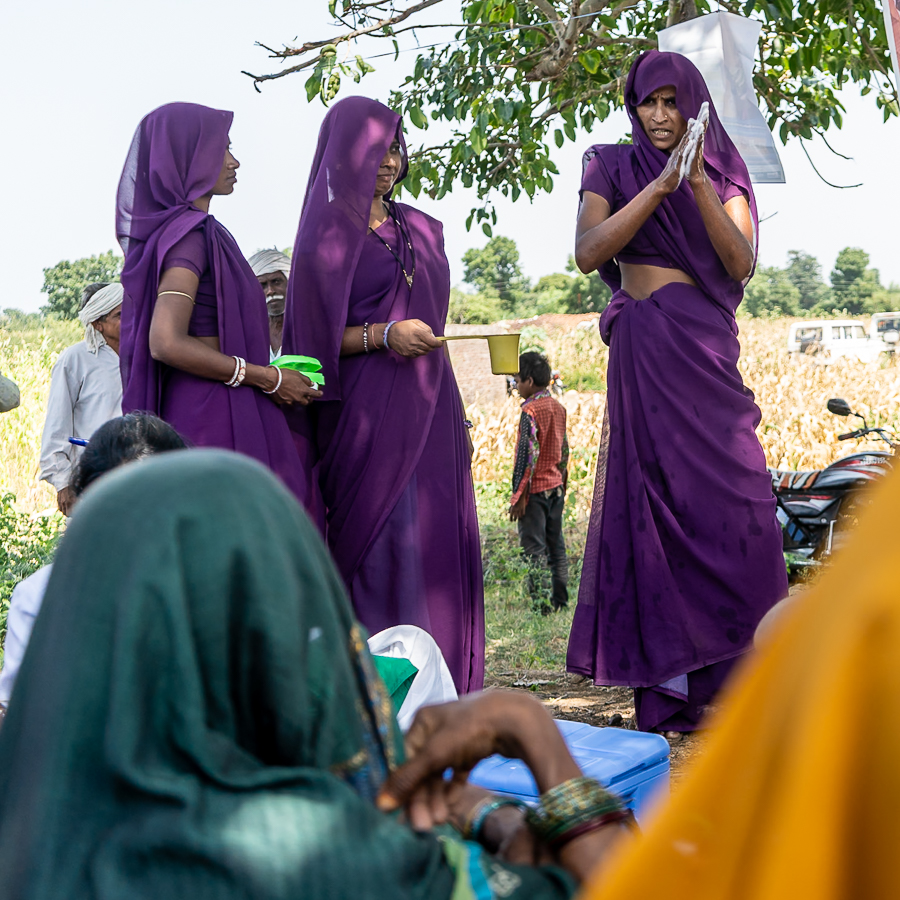
Action must extend beyond the walls of the hospital into the very heart of society.

Homes and Schools
We recognize that community settings are not just places where antibiotics are consumed; they are the primary sources of infection.
Societal Standards
To protect public health, hygiene and stewardship must become a shared societal standard across homes, schools, and workplaces.
Who Must Act?
Coordinated action is required across all levels of the healthcare landscape:
Healthcare Professionals
Must transition from broad, empirical therapy to targeted, diagnostic-driven treatment protocols.
Pharmacies & Chemists
Play a vital role in curtailing over-the-counter (OTC) sales and ensuring antimicrobials are dispensed only with valid prescriptions.
Diagnostic Laboratories
Must be equipped with the technology to perform rapid and reliable resistance testing to guide clinical decisions.
The Public
Patients must seek professional medical advice and refrain from demanding antibiotics or self-medicating.
When We Must Act?
Closing the Window on AMR: A Call for Sustained Global Health Security
The window for intervention is closing. Immediate, sustained investment in diagnostic infrastructure, professional training, and public awareness is essential to protect both human and animal health for future generations.