
The Mission
Driving Coordinated, Evidence-Based Action
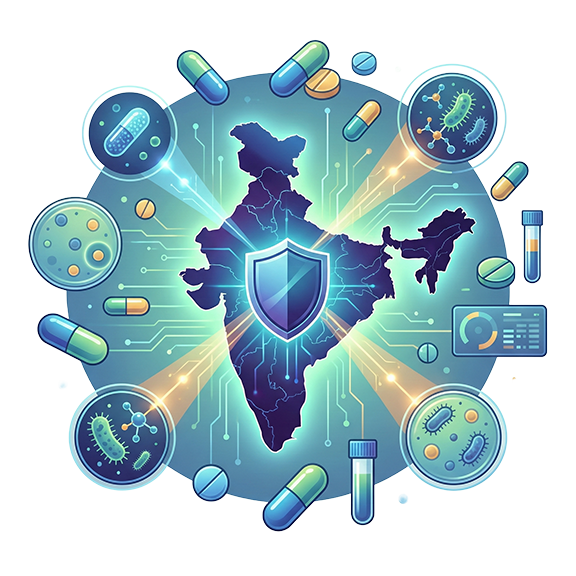
This platform serves as an authoritative hub for curating evidence-based insights and resources tailored to the Indian context. We bridge the gap between innovative technology and clinical application to support a unified response to AMR.
Why Action is Essential
Compromised Medical Procedures
Routine surgeries and essential cancer care, such as chemotherapy, are becoming increasingly risky as common infections become harder to treat.
Economic Impact
Resistance leads to prolonged hospital stays, the need for expensive second-line treatments, and significantly higher healthcare costs for patients and the state.
The Indian Crisis
India faces some of the world’s highest rates of antimicrobial consumption, making local implementation of stewardship programs an urgent priority.
What are the Solutions: A Systems-Driven Approach
A key element of controlling AMR is investing in affordable and accessible rapid diagnostic tools. However, a tool alone is not a solution; its impact is maximized only when integrated into a robust ecosystem:
SMARRT Diagnostics:
Developing and deploying fast, accurate diagnostic tests is crucial. These tools allow healthcare providers to quickly identify the specific pathogen and its resistance profile, ensuring patients receive the right antimicrobial only when needed, reducing inappropriate use.
Antimicrobial Stewardship (AMS):
Implement and adhere to strict, evidence-based guidelines for prescribing antimicrobials. AMS programs promote the responsible use of these life-saving drugs across all healthcare settings.
Infection Prevention & Control (IPC):
Enhanced hygiene practices, sanitation infrastructure, and comprehensive vaccination programs are foundational to reducing the incidence of infections, thereby decreasing the need for antimicrobials in the first place.
Raise Public and Professional Awareness:
Educate communities and healthcare professionals on the dangers of self-medication, the importance of completing prescribed treatment courses, and the appropriate role of antimicrobials.
Where Must Action Take Place
Action Settings Beyond the Hospital
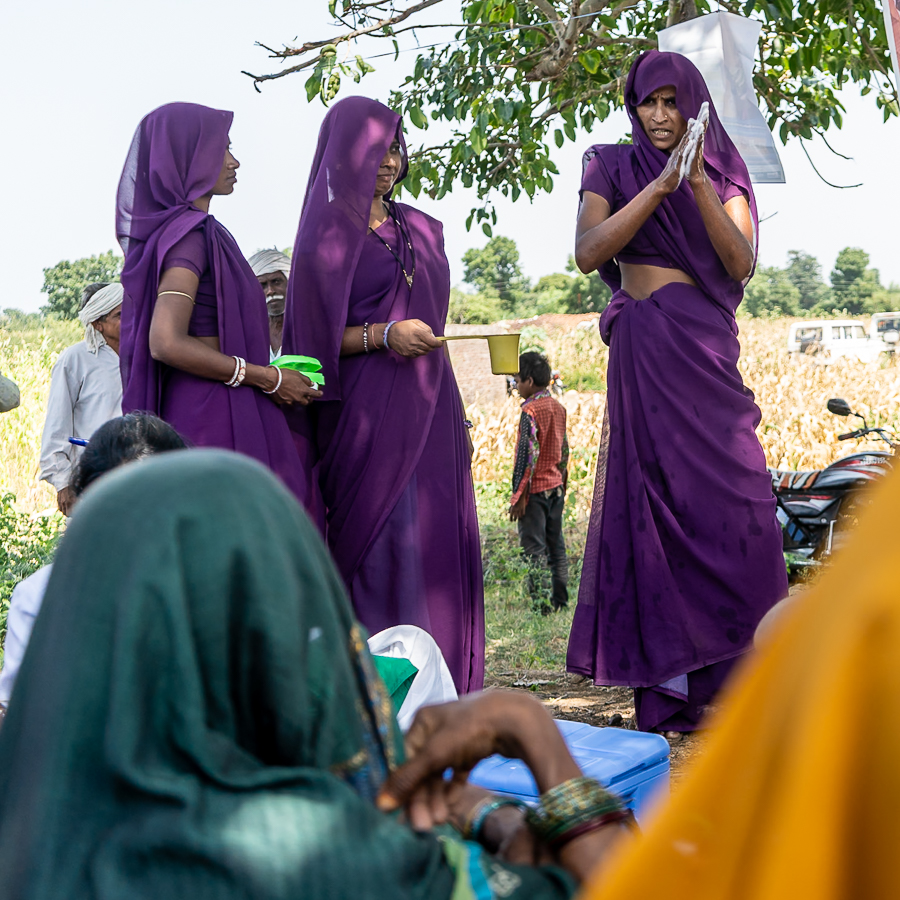
Action must extend beyond the walls of the hospital into the very heart of society.

Homes and Schools
We recognize that community settings are not just places where antibiotics are consumed; they are the primary sources of infection.
Societal Standards
To protect public health, hygiene and stewardship must become a shared societal standard across homes, schools, and workplaces.
Who Must Act?
Coordinated action is required across all levels of the healthcare landscape:
Healthcare Professionals
Must transition from broad, empirical therapy to targeted, diagnostic-driven treatment protocols.
Pharmacies & Chemists
Play a vital role in curtailing over-the-counter (OTC) sales and ensuring antimicrobials are dispensed only with valid prescriptions.
Diagnostic Laboratories
Must be equipped with the technology to perform rapid and reliable resistance testing to guide clinical decisions.
The Public
Patients must seek professional medical advice and refrain from demanding antibiotics or self-medicating.
When We Must Act?
Closing the Window on AMR: A Call for Sustained Global Health Security
The window for intervention is closing. Immediate, sustained investment in diagnostic infrastructure, professional training, and public awareness is essential to protect both human and animal health for future generations.